

This article is not meant to stop you from enjoying your favorite beverage in the world. Because alcohol is a diuretic, it causes the body to produce more pee and lose vital electrolytes and fluids, which results in dehydration. Indeed, drinking alcohol causes more sweating and urine production, which dehydrates people, especially during hot weather. Drinks that may result in dehydration can include alcoholic, caffeinated, and sugary beverages. Yes, dehydration caused by alcohol consumption can contribute to skin dryness, leading to a dull complexion and an increased risk of wrinkles. In fact, our locations offer a dedicated IV drip therapy for hangovers and their common symptoms.
Other Risks Associated with Alcohol Consumption
- Individual factors, such as genetics, overall health, and the type of alcohol consumed, can also influence the impact of booze on your liver.
- Additionally, it’s important to be mindful of your overall alcohol intake and to drink in moderation.
- Excessive drinking has numerous impacts on your body and mind, ranging from mild to severe.
- Is there anything you can do to offset or prevent problems caused by dehydration from drinking alcohol?
Through our various rehab centers nationwide, we have guided our patients through medical detox, therapy, and long-term sobriety. Our professionally trained, compassionate staff are incredibly supportive and helpful, guiding you to a life of serenity, freedom, and emotional health. Consuming alcohol carries other health risks besides dehydration. These risks change depending on how much alcohol a person consumes and how often. This can increase your BAC significantly if you don’t replenish your body’s supply with a few sips of water as you drink.
A difference in a gene that affects the way the body breaks down alcohol may make some people flush, sweat or become ill after drinking even a small amount of alcohol. Skin redness from alcohol typically fades away as the effects of alcohol wear off. Once your body metabolizes the alcohol and acetaldehyde that cause the redness, your skin should return to its normal color. Alcohol flush is a temporary reaction that usually disappears within a few hours after you stop drinking. Diuretics are compounds that promote diuresis, the excessive passing of urine, which stimulates the kidneys to produce more urine than usual.
Alcohol-related effects on your body
Besides dehydration, alcohol can have other negative effects on the body. For this reason, a person should drink alcohol in moderation and avoid binge-drinking or chronic heavy drinking. If you are experiencing a hangover from dehydration, you can try Twelve-step program to rehydrate by drinking plenty of water, electrolyte drinks, or sports drinks. Eating protein-rich, vitamin-dense foods like eggs, nuts, and spinach can also help reduce the pain and discomfort of a hangover.
- It is crucial to consume alcohol in moderation, stay hydrated with water, and prioritize your health when indulging in alcoholic beverages.
- Alcohol has a dehydrating effect on the body, especially when a person consumes it in large quantities.
- Water-rich foods are an excellent way to rehydrate your body and provide essential nutrients.
Alcohol’s Impact on Kidneys
The truth is that other than drinking lots of water to replenish the body’s supply, there isn’t much you can do. If you don’t like to drink water, you can drink caffeine-free tea, flavored water, or even milk. You can also eat fruit and vegetables that have a high water content, such as cucumbers and watermelon. Dehydration from alcohol consumption is a common issue, but it can have serious consequences. While mild dehydration can usually be treated at home, moderate to severe dehydration may require medical treatment.
The kidneys are highly sensitive to dehydration, and their ability to retain water is compromised when alcohol is still being consumed. Regular and excessive alcohol consumption can have detrimental long-term effects on overall hydration levels and may lead to chronic dehydration. Alcohol’s impact on kidneys is a significant concern when considering the effects of dehydration. When we consume alcohol, our bodies experience a diuretic effect, causing us to urinate more frequently. This can lead to a decrease in hydration levels and put a strain on our kidneys. These results have been confirmed in multiple studies across different populations, types of alcohol, and varying levels of consumption.

What happens to your body when you’re dehydrated?
This is why it is crucial to drink water while consuming alcohol to prevent dehydration. Drinking water or eating food while consuming alcohol can also slow down the absorption of alcohol into the bloodstream. It causes dehydration, which decreases blood flow to the kidneys, making it harder for them to function. Alcohol also affects how the brain releases vasopressin, a hormone that acts on the kidneys, reducing urine production.
Drink water and other hydrating drinks
Dehydration is a common condition that occurs when your body loses so much fluid that it can’t function normally. Recognising the symptoms of dehydration is important, especially if it is due to alcohol consumption, as this can worsen the symptoms of a hangover. If you have a routine, drinking a chilled can of beer after exercise or love to drink on a hot sunny day, it’s high time you change your habit. Drinking beer on an empty stomach gives its alcoholic contents a quick entry into your bloodstream as compared to drinking while having lunch or dinner. When you’re eating and drinking side-by-side, it takes time for your body to break down each content. The more you drink, the more your body stops producing a hormone called vasopressin.

This is why it’s essential to drink water, consume electrolyte-rich foods and beverages, and get some rest if https://ecosoberhouse.com/ you believe you are suffering from alcohol dehydration and a hangover. Studies also show that alcohol dilates the blood vessels, which leads to an increase in blood flow to the skin. While this typically makes individuals feel warmer, it can also result in sweating, and this fluid loss contributes to overall dehydration.
Well, the author of this same paper did that experiment, and this is what they saw. What’s the first piece of advice you received when you started drinking alcohol? For many of us, it was the recommendation to “drink a glass of water for every drink” because alcohol supposedly dehydrates you. Use these social-bookmarking links to share Why does drinking alcohol cause dehydration?. Your body has detectors that can sense both the saltiness of your water, and the volume of the water. If these detectors reckon that you are dehydrated, they send a signal to the posterior pituitary gland, which starts pumping out ADH.
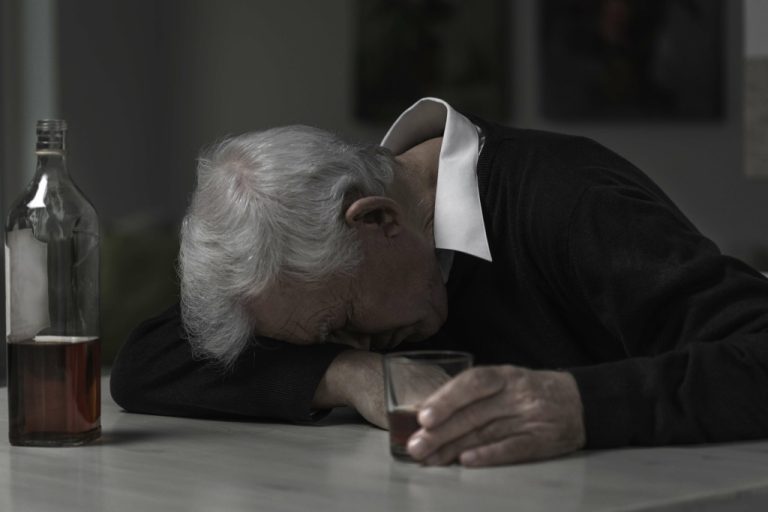
In other words, you’d be about as dehydrated drinking the wine as you would not be drinking anything, period. For starters, if you drink wine while on an empty stomach, your intestines will absorb the alcoholic content and the liquid very quickly. Since there isn’t any food to get in the way, this will result in your body absorbing what water is already in the wine, leaving the alcohol in your system by itself. Alcohol is a diuretic, which means it causes the body to expel water. This happens as the body tries to break down and get rid of the waste that alcohol produces.
If alcohol use has become a pattern, Legacy Healing Center offers treatment programs that support sobriety and help the body recover from dehydration and nutrient loss. To prevent dehydration while consuming alcohol, it is recommended to drink a does alcohol make you dehydrated glass of water with each alcoholic drink. This helps to minimise dehydration and the severity of a hangover. However, it is important to note that water consumption may only have a modest effect on preventing a hangover, and the best way to avoid dehydration is to limit alcohol consumption.
Leave a Reply